English
 العربية
 Nederlands
 Français
 Deutsch
 Italiano
 Português
 Русский
 Español
 Polski
 한국어
 Türkçe
 हिन्दी
 ไทย
 日本語
From Polymer Melting to Continuous-Fiber Impregnation
01. Introduction to LFT-G Technology
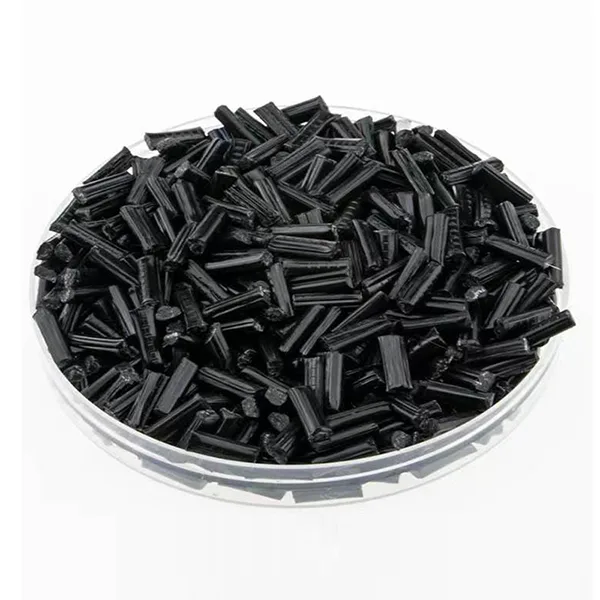
LFT-G (Long Fiber Thermoplastic Granules) is a process for producing long-fiber-reinforced thermoplastic pellets through continuous fiber impregnation.
LFT-G, LFT-D and GMT are three major processing routes for long-fiber-reinforced thermoplastics: pellet production, direct compounding and molding, and compression molding of glass-mat-reinforced thermoplastic sheets, respectively.
The LFT-G impregnation and pelletizing line can process thermoplastic resins including PP, PE, PA (PA6/PA66), PPS, PBT and TPU.
Reinforcing fibers include glass fiber (1,200, 2,400, 3,600 and 4,800 tex), carbon fiber (various tow sizes such as 12K, 24K and 48K), basalt fiber and steel fiber etc.
By retaining relatively long reinforcing fibers, LFT-G compounds offer strong potential for improved impact performance, stiffness and structural strength, making them suitable for demanding industrial applications.
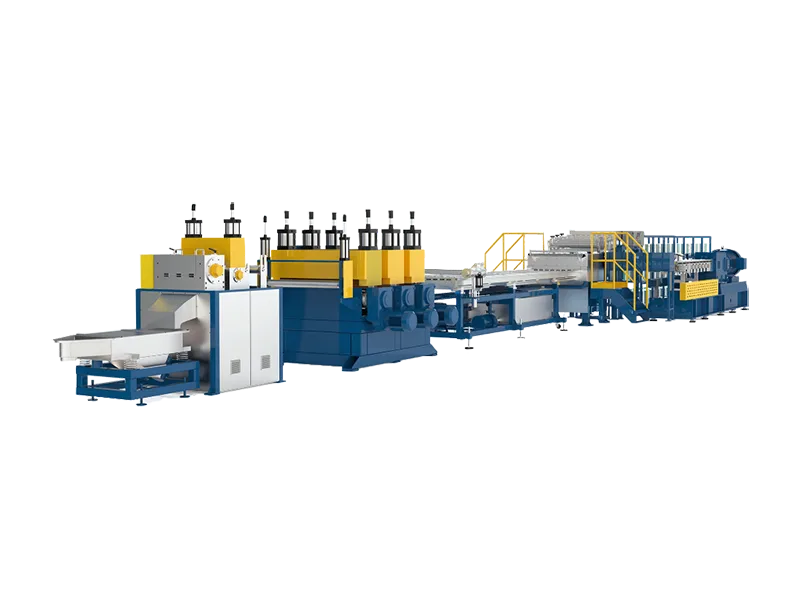
02. Process and Line Configuration
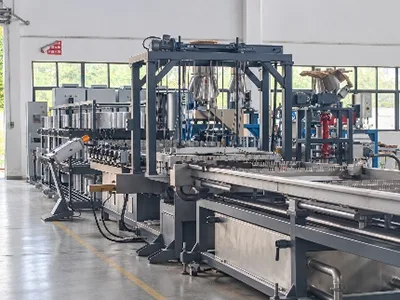
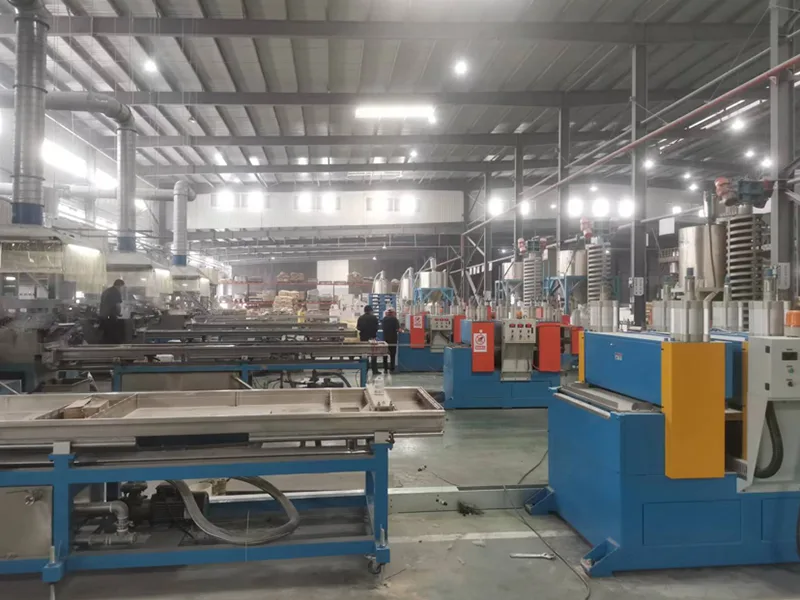
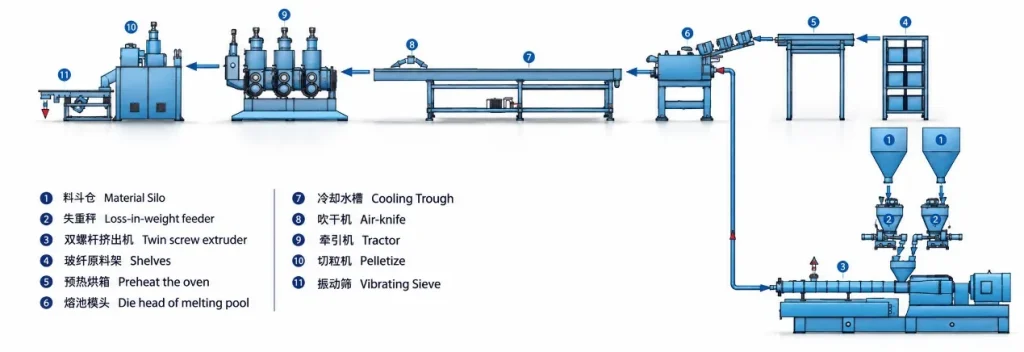
A typical continuous LFT-G line consists of the following stages:
Resin Metering and Feeding → Twin-Screw Melting and Plasticizing → Fiber Payoff → Fiber Preheating and Spreading → Continuous Impregnation → Composite Formation → Cooling → Haul-Off → Pelletizing and Screening
03. Core Technologies of an LFT-G Line
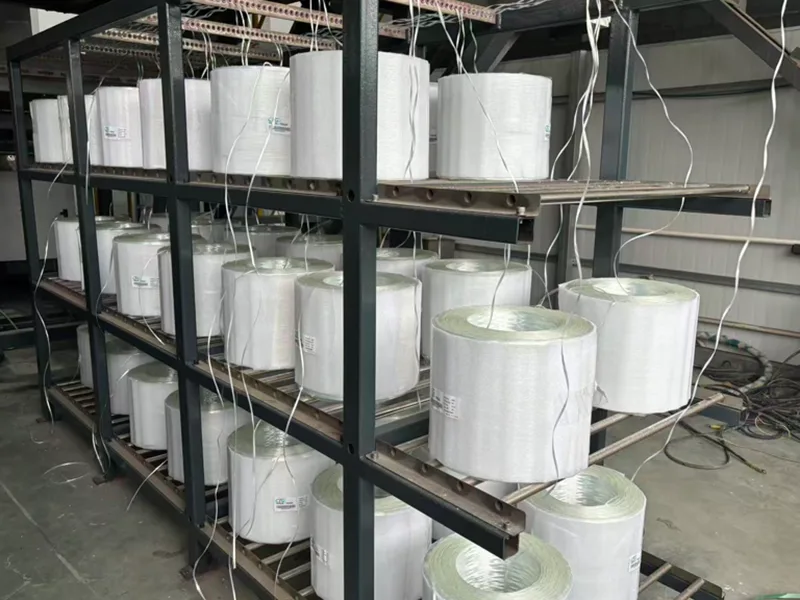
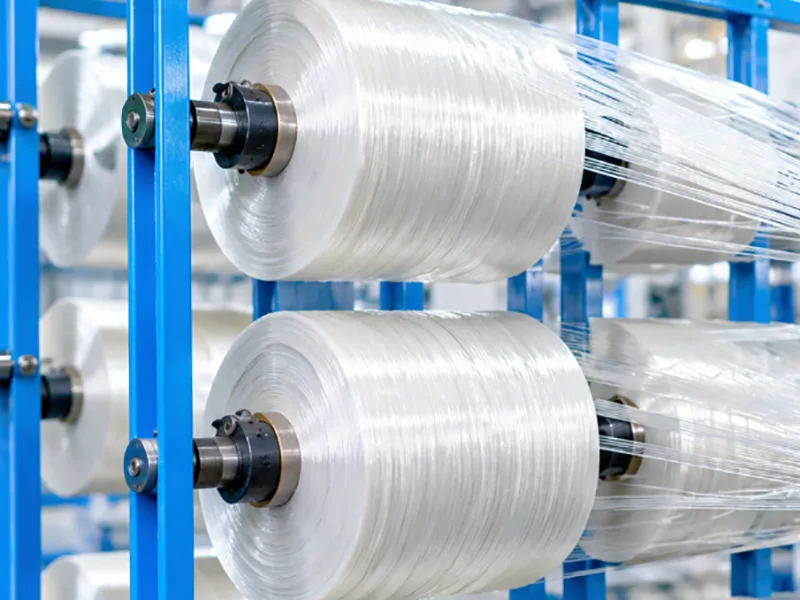
3.1 Fiber Roving Creel System
Different fiber types vary in tow structure, surface characteristics, unwinding behavior, and resistance to twisting. Therefore, the creel configuration must be selected according to the fiber type and specific process requirements.
Beyou offers two types of fiber roving creels: Outside-Pull Type and inside-Pull Type.
- Outside-Pull Type: Fiber is unwound from the outer surface of the package. This configuration provides a relatively smooth fiber delivery path and helps minimize additional twisting during unwinding. It is suitable for carbon fiber and certain customized fiber types that require stable tow alignment and bundle integrity.
- Inside-Pull Type: Fiber is drawn from the center of the package and is commonly used for glass fiber rovings. Since center-pull unwinding may cause fiber rotation and twisting, Beyou incorporates specially designed guiding components and unwinding mechanisms to maintain stable fiber alignment during downstream conveying. Depending on the package format and process conditions, both active de-twisting and non-de-twisting configurations are available.
3.2 Fiber Preheating and Spreading
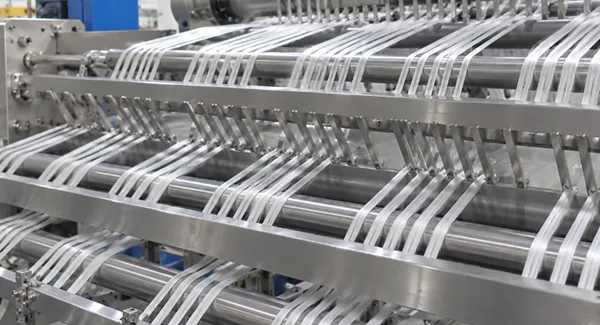
Before entering the impregnation die, glass-fiber rovings are preheated and spread as required. Preheating reduces the temperature difference between the fibers and the molten resin, helping improve resin wet-out. Proper spreading and tension control open up pathways for resin to penetrate the fiber bundle and promote uniform impregnation.
Beyou offers two preheating arrangements to suit different process requirements:
- Melt-pool process – Preheating oven: Each glass-fiber roving has an independent preheating channel for efficient and consistent heating. Its primary function is to preheat the fibers before impregnation.
- Die process – Tensioning frame: Multiple tension rollers with adjustable angles allow the fiber path and tension to be set. A tension sensor mounted on the frame displays the tension value in real time.
Appropriate preheating and spreading improve contact between individual filaments and help create resin-flow pathways within the bundle, promoting more uniform impregnation.

3.3 Impregnation Die and Melt Distribution
Beyou LFT-G Production Line offers two impregnation process: melt-pool impregnation and die impregnation.
The internal flow-channel design of the impregnation head directly affects melt distribution and pressure profiles. Design considerations include resin type, melt viscosity, fiber count, fiber content and line speed.
A properly designed melt inlet, distribution channel and impregnation zone help distribute the molten resin evenly along the fiber path while minimizing uneven flow, pressure fluctuations and melt stagnation.
Different resin systems, such as PP, PA6 and PA66, have different melting characteristics and rheological behavior. The die flow channels and process parameters must therefore be adjusted accordingly.
3.4 Cooling and Haul-Off
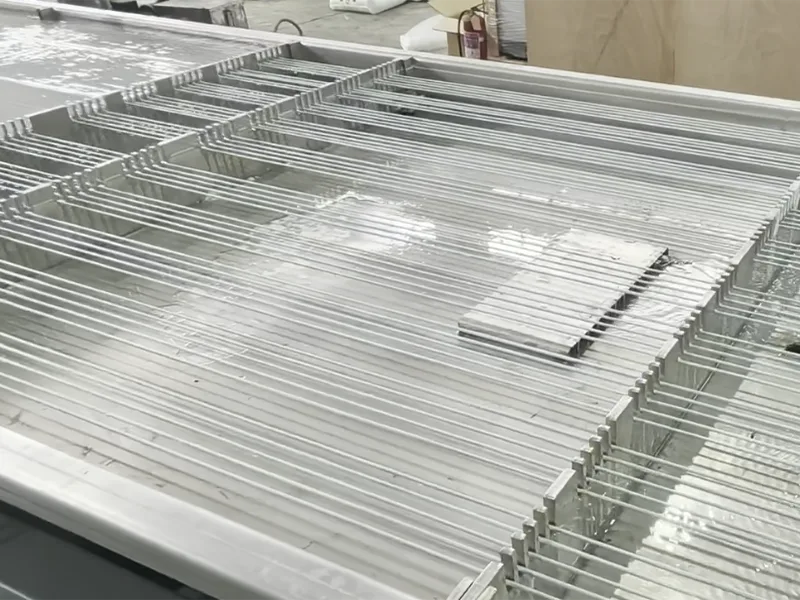
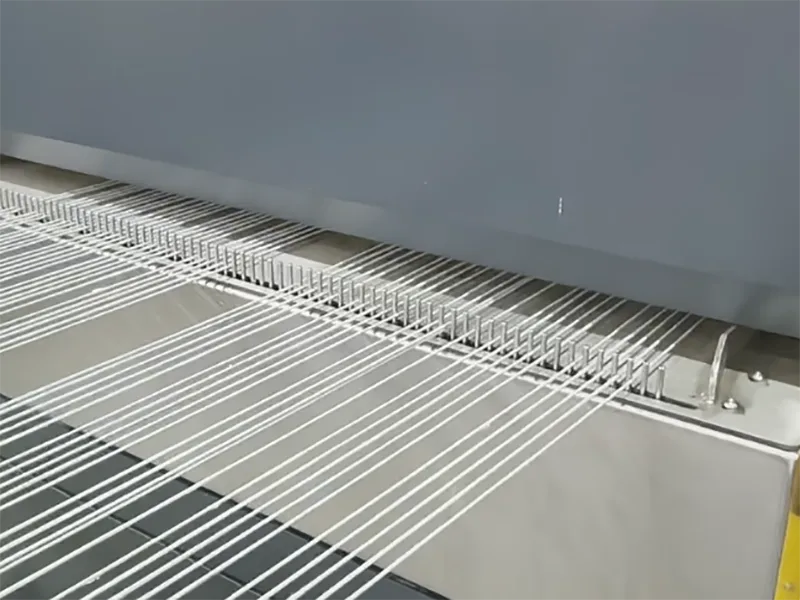
After impregnation, the long-fiber composite strands must be adequately cooled to solidify the resin and form a stable structure.
The cooling method and cooling length should be selected according to the polymer type, fiber content and line speed. Materials such as PA require sufficient cooling time, particularly at higher line speeds.
3.5 Key Quality Indicators
LFT-G product quality should be evaluated in terms of both internal material structure and process consistency:
- Fiber content: Actual fiber loading and consistency from batch to batch.
- Impregnation quality: Resin penetration and wet-out within the fiber bundles.
- Fiber length: Actual fiber-length distribution in the finished pellets.
- Pellet dimensions: Cut length and appearance consistency.
- Mechanical properties: Tensile, flexural and impact performance.
- A stable and repeatable process requires coordinated control of process parameters and testing of the finished material.
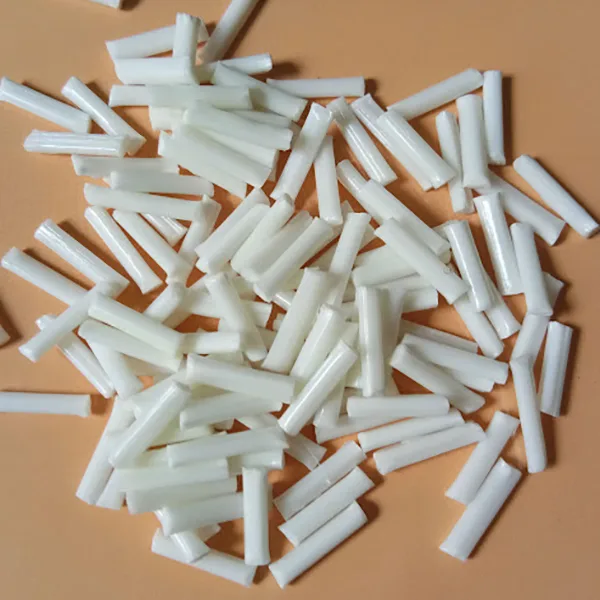
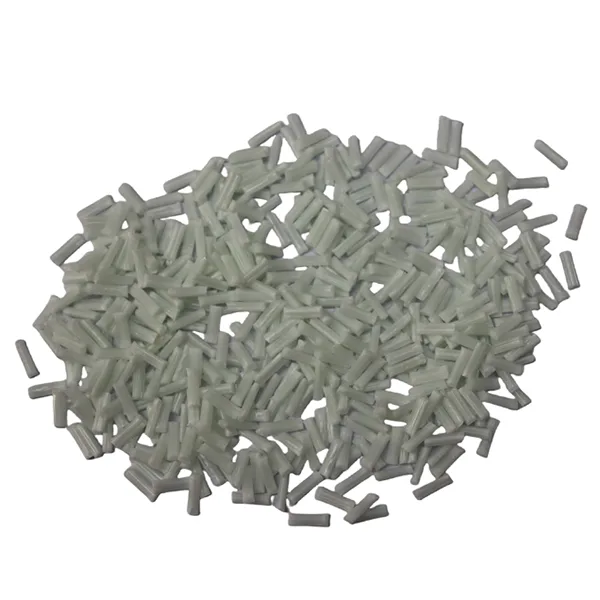
LFT-G production is a systems-engineering discipline involving polymer rheology, continuous-fiber handling, melt impregnation and thermal management.
Product quality depends not only on the extruder’s melting capacity, but also on the overall coordination of melt preparation, fiber impregnation, cooling and solidification, and continuous conveying.
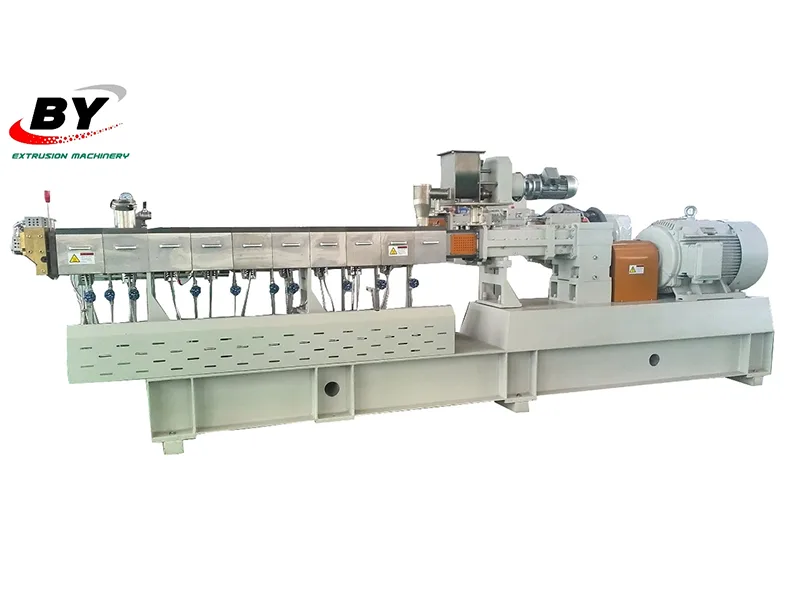
Nanjing Beyou Extrusion Machinery specializes in the development and manufacture of twin-screw extrusion equipment and complete LFT-G production lines. Through process-oriented equipment configuration and engineering design, Beyou provides long-fiber-reinforced thermoplastic production solutions for different polymer systems, fiber contents and production requirements.